杨澜访谈录
政协委员张霞:首都体育学院正为中小学设计课间十五分钟运动项目_我的网站

一 |
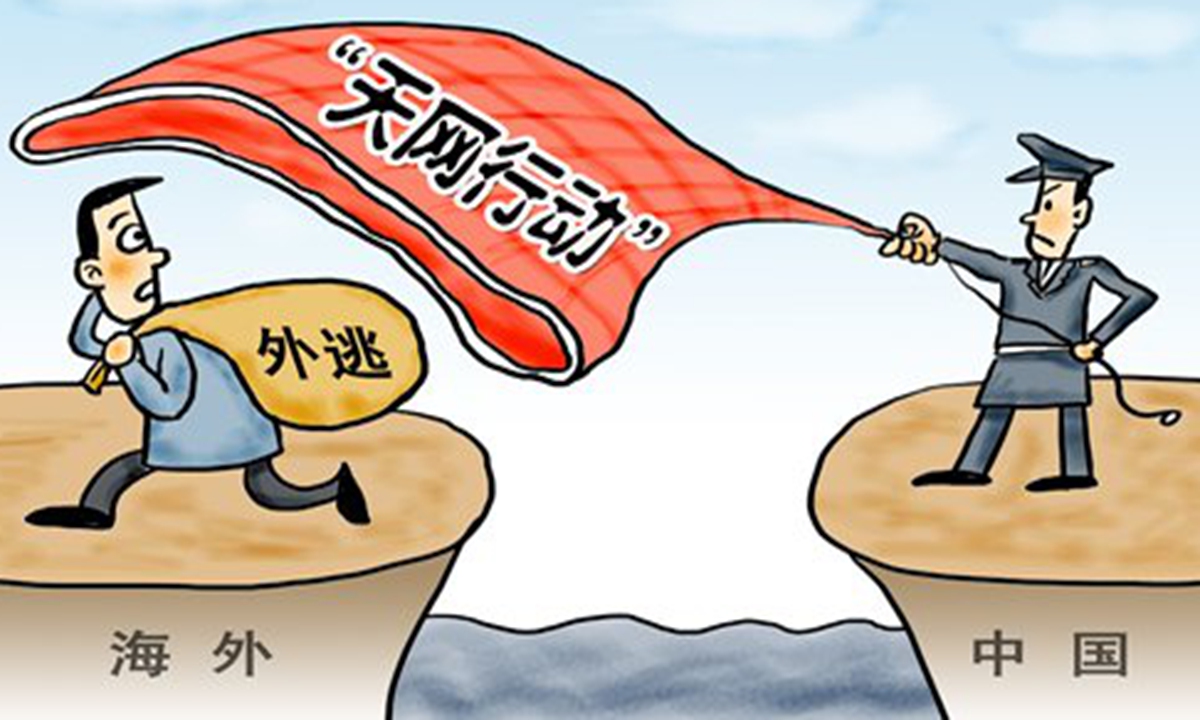
Chinese lawmakers began reviewing a draft law on combating cross-border corruption on Tuesday, a legislation which experts believe would help close legal gaps in investigating overseas corruption, pursuing fugitives and recovering illicit assets, while strengthening international cooperation and corporate compliance.
The draft was submitted for its first reading to the ongoing session of the Standing Committee of the National People's Congress, the country's top legislature, per Xinhua News Agency.
Huo Zhengxin, a professor at the China University of Political Science and Law, told the Global Times that the draft law represents a dedicated piece of legislation within China's anti-corruption legal framework and a major step forward in the country's law-based governance of foreign-related affairs. It will fill a legislative gap in combating cross-border corruption, Huo said.
As Chinese companies expand business overseas, cross-border corruption cases face challenges in obtaining evidence abroad, pursuing fugitives and recovering illicit assets. Existing anti-corruption laws have faced limitations in addressing such cases involving foreign affairs, making such dedicated legislation necessary, Huo said.
Structured into six chapters and 47 articles, the draft sets out the principles, scope and key provisions underpinning China's efforts to combat cross-border corruption. It also defines relevant operational mechanisms and institutional responsibilities, and seeks to strengthen case handling and international cooperation.
The draft further clarifies enterprises' obligations regarding integrity and compliance, and specifies legal liabilities for violations.
As one of the experts involved in drafting the legislation, Huo said a key innovation of the draft is to strengthen international cooperation and corporate integrity and compliance obligations. As evidence, suspects and illicit assets in cross-border corruption cases are often located overseas, the draft provides mechanisms including extradition, mutual legal assistance and repatriation, while aligning with relevant rules under the UN Convention against Corruption (UNCAC), said the expert.
The draft also makes clear that Chinese companies operating overseas, including both state-owned and private enterprises, have legal obligations to uphold integrity and compliance with domestic laws, Huo said.
The legislation would also codify practices accumulated through China's past campaigns against cross-border corruption, such as Sky Net and Fox Hunt operations, turning them into a more systematic legal framework and strengthening the law's deterrent effect, according to Huo.
The draft law is a practical step to regulate the development of cross-border businesses and help build a world-class business environment aligned with market principles, the rule of law and international standards, Xinhua noted.
It is also expected to expand the legal tools available to combat cross-border corruption and help address challenges in detecting corruption, collecting evidence, recovering illicit assets and securing convictions, according to the report.
In January, CCTV News reported on the case of a former senior executive of China National Offshore Oil Corporation, who was accused of accepting large amounts of bribes that were concealed overseas, with a businessman allegedly acting as a "front" to collect the illicit payments.
The draft's explicit corporate integrity and compliance requirements would make it harder for individuals to disguise bribery and other corrupt practices through overseas projects in an attempt to circumvent domestic oversight, while further clarifying the extraterritorial reach of China's anti-corruption laws, Huo said.
The draft also contains provisions to counter the use of foreign countries' domestic anti-corruption laws to exercise "long-arm jurisdiction" over Chinese companies, which Huo described as another important innovation in China's foreign-related legal framework.
China has been deepening its efforts in international anti-corruption cooperation, with 963 corrupt fugitives repatriated to the country in 2025, according to a work report from the country's top anti-graft body, Xinhua reported.
。 新京报讯(记者刘洋)1月13日,北京市政协十四届三次会议正式开幕,在下午的教育、体育界别的联组会上,政协委员们探讨了青少年身心健康的话题,其中,如何落实好“课间十五分钟”是讨论重点。北京市政协委员、首都体育学院校长、中国体育战略委员会常务理事张霞表示,为了让孩子们充分利用好课间十五分钟提高身体素质,该校正在为中小学研究设计课间活动的科学锻炼内容,探索并落实好课间活动的要求。北京市政协委员、首都体育学院校长、中国体育战略委员会常务理事张霞。新京报记者王贵彬 摄张霞是1991年摔跤世界冠军、柔道全国冠军以及摔跤国际特级裁判,作为一名专业运动员,她认为,孩子们能够充分利用课间活动时间走到阳光下,锻炼自己,对提升孩子的抗压能力有非常大的帮助。“体育能够磨练孩子的意志、增长才干、完善人格、锻炼意志品质和抗挫折的能力,同时也会提升团队之间的合作和拼搏精神,走向社会以后,这一品质能够帮助他们扛住压力解决问题。”张霞介绍,该校将传统的体育活动和现代新型体育活动相结合,设计的短时间内的活动内容都是孩子们喜闻乐见的,比如攀岩园地、拳击园地、打沙包、壁球等,通过设计“一校一品”“一校多品”的丰富活动,以丰富孩子课间操、课间十五分钟的体育训练内容。同时根据不同特点的孩子,也会设计针对性的锻炼项目,比如经研究后发现设计抗阻运动对干眼症的孩子有一定疗效,而对灵敏性或力量性缺乏的孩子也会设计相应的运动方案。

二 | 对于有些不具备操场或场地小的学校也设计了专门的锻炼模式和方法。“我们也要对教师进行针对性的培训,老师们先学会,才能带孩子们一起健康锻炼,比如一班一赛等形式,提升孩子们的健康意识。

三 | ”作为政协委员,张霞认为,学校和家长都要转变观念,当下学校对体育锻炼的意识逐渐重视,但调研发现,不少家长还持有“成绩优先”的意识,“这种理念已经不适合当今时代发展,无法顺应孩子德智体美劳全面发展的要求,如果想要孩子健康,学校、家庭和社会要共同关注,为青少年的健康出谋划策。”张霞说道。编辑 缪晨霞校对 王心。
Current article:http://cvt.cheshenzhuaduanza.buzz/an2v/20260826/4748.html
Published on:10:30:27


